In the dynamic world of fashion, popup shops have become a cornerstone of brand engagement, offering a unique opportunity for immersive experiences that captivate audiences and drive sales. Yet, the success of these temporary retail spaces hinges not only on creative ingenuity but also on strategic public relations initiatives that shape brand perception and consumer sentiment.
Let’s delve into the contrasting narratives of two iconic popup shops—the adidas Originals Popup Shop in Barcelona and the controversial YEEZY x GAP Popup Shop in Times Square and LA. Through their divergent approaches, we uncover valuable insights into the pivotal role of PR in shaping the success or downfall of these temporary retail ventures.
Adidas Originals Popup Shop: A Triumph in Brand Immersion
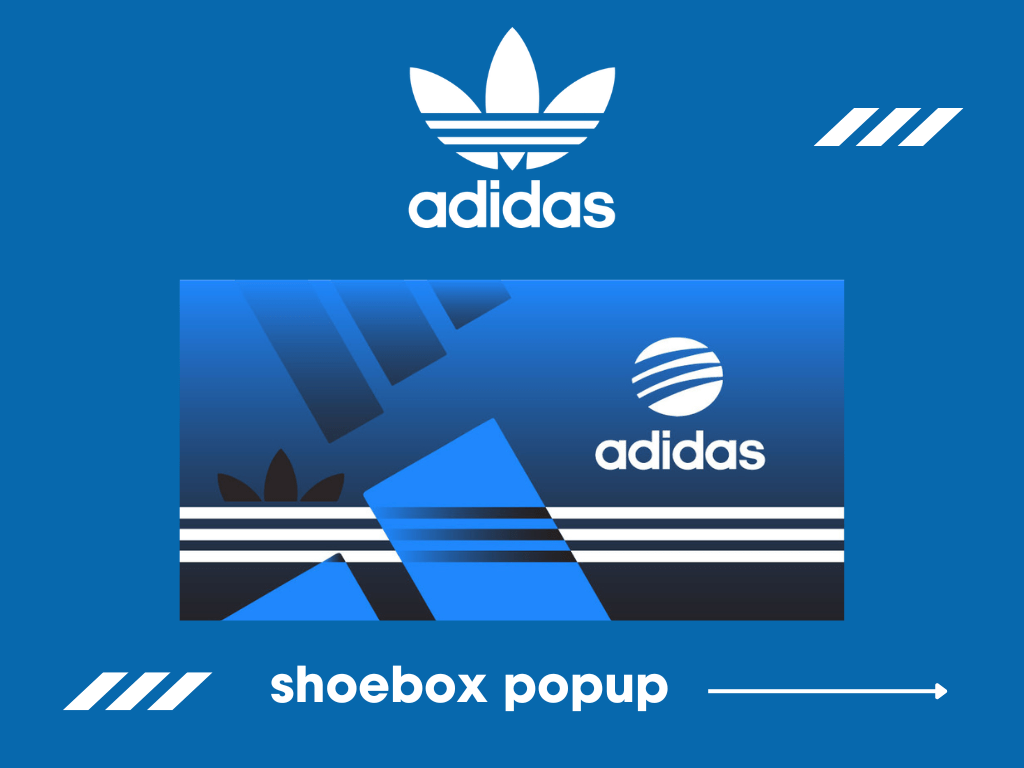
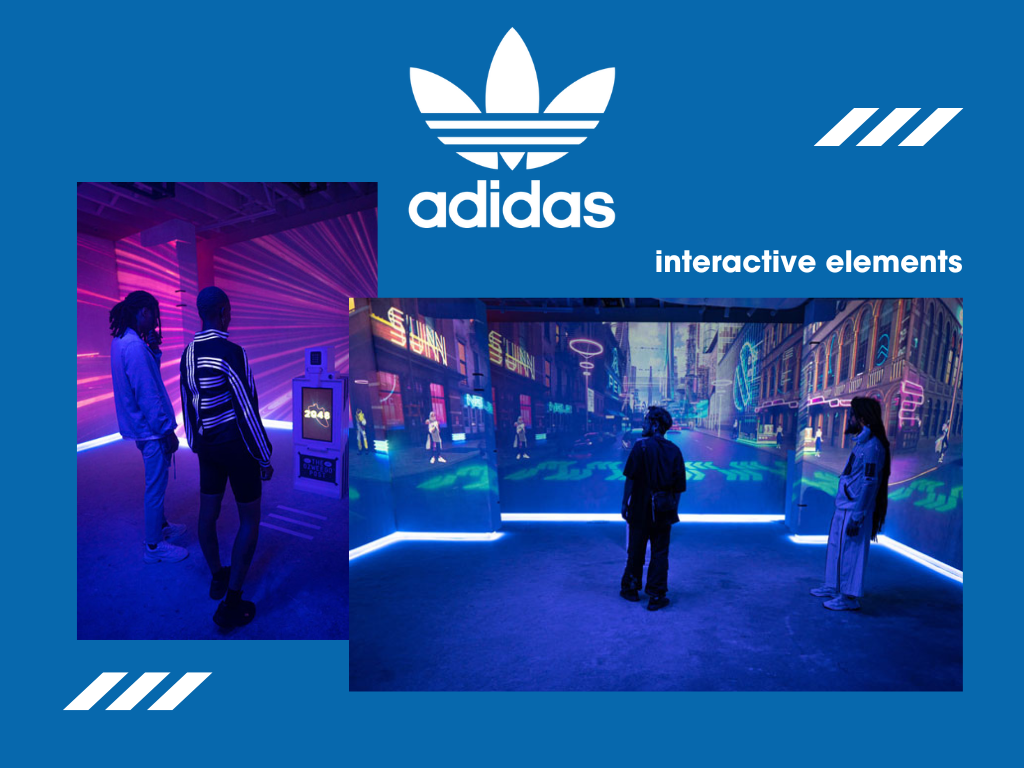
Set against the vibrant backdrop of the Primavera music festival in Barcelona, the adidas Originals Popup Shop emerged as a beacon of creativity and innovation. Embracing the ethos of experiential marketing, the popup shop transcended traditional retail boundaries, captivating festival-goers with its whimsical shoe box architecture and interactive installations.
Through strategic collaboration with Vice Magazine and meticulous attention to detail, the popup shop became more than just a retail space—it became a destination, a shared experience, and a testament to the power of immersive storytelling. By seamlessly integrating brand identity with consumer engagement, adidas cultivated a sense of community and excitement that reverberated far beyond the festival grounds.
From the meticulously crafted shoe box facade to the interactive photo booth experience, every aspect of the popup shop was meticulously curated to delight and engage audiences. Through strategic partnerships and innovative design concepts, adidas succeeded in not only driving foot traffic but also fostering meaningful connections with consumers—a triumph of PR prowess in action.

YEEZY x GAP Popup Shop: A Lesson in Controversy
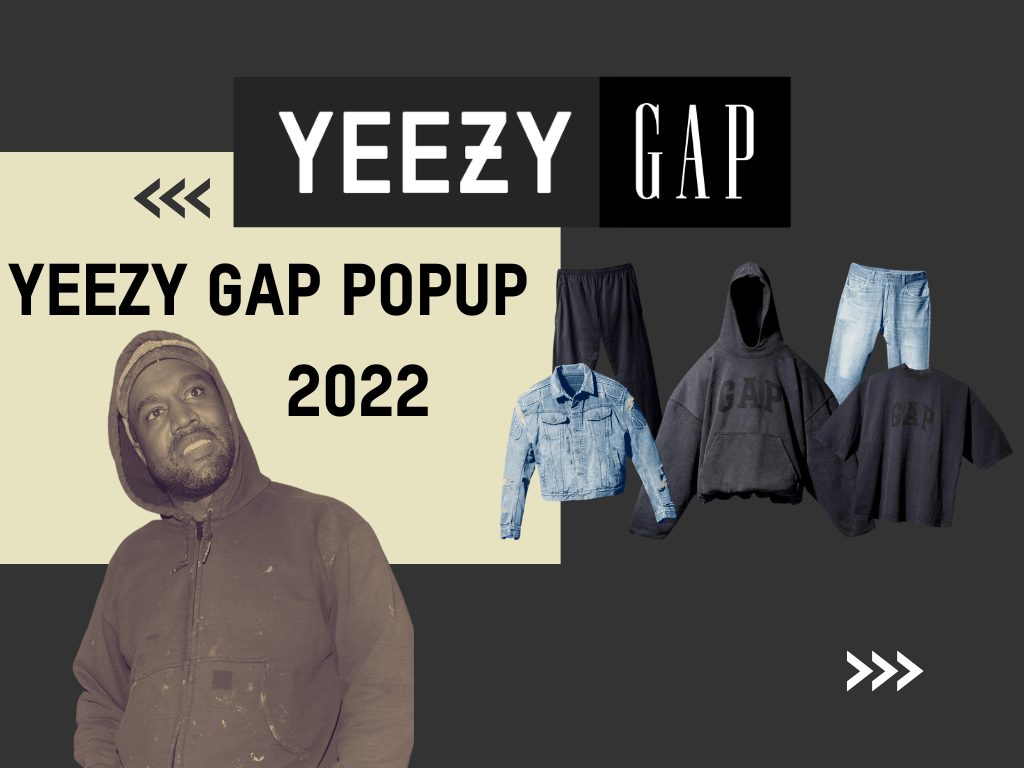
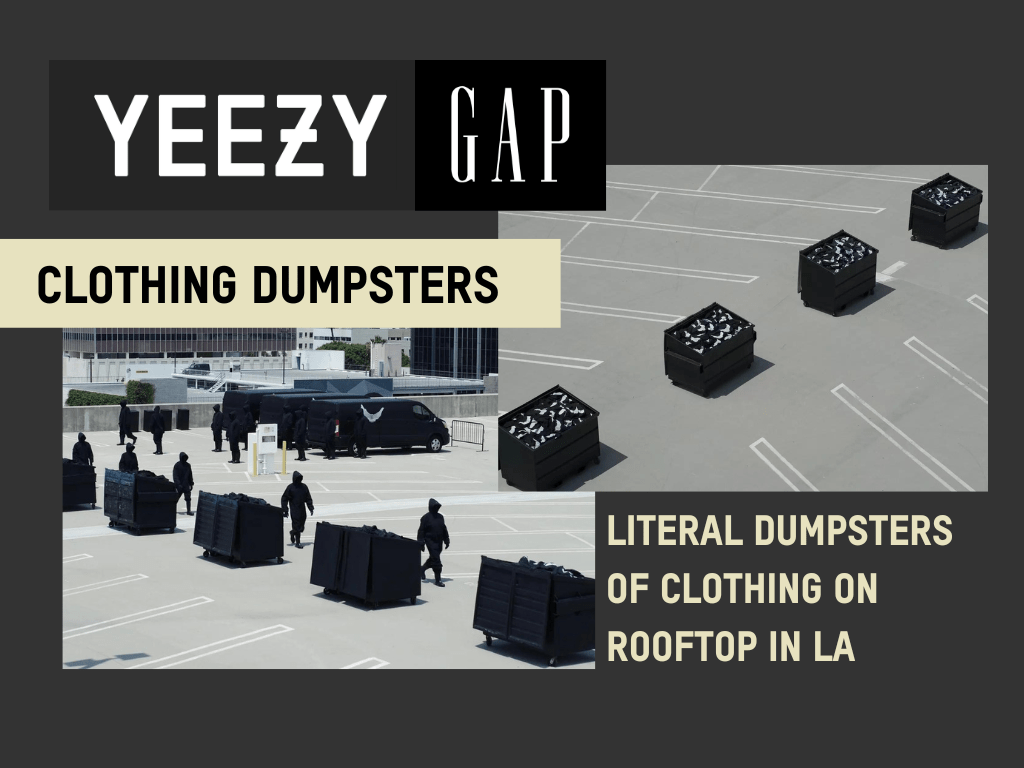
In stark contrast to the adulation surrounding the adidas Originals Popup Shop, the YEEZY x GAP Popup Shop in Times Square and LA sparked controversy and condemnation. Conceived as a collaboration between Kanye West’s YEEZY brand and GAP, the popup shop featured clothing displayed in large vinyl bags described as “garbage bags” and dumpsters situated on the roof of a parking garage.
While the popup shops generated buzz and intrigue, Kanye’s creative decisions were swiftly met with criticism, with many interpreting the spectacle as a fetishization of homelessness. Despite Kanye’s assertion that the homeless served as inspiration for his designs, the popup shops failed to resonate with consumers on a meaningful level, ultimately leading to a decline in sales and the dissolution of the GAP partnership.
Kanye’s unapologetic stance in the face of controversy highlights the inherent risks of pushing creative boundaries without considering the broader implications for brand image and consumer perception. In the age of social media scrutiny and heightened awareness of social issues, brands must tread carefully and thoughtfully navigate the intersection of artistry and ethics.

Conclusion: Crafting the Narrative of Success
In the ephemeral world of popup shops, the line between triumph and turmoil often hinges on the delicate dance of public relations. From immersive brand experiences that captivate the imagination to contentious creative decisions that spark debate, every aspect of a popup shop narrative shapes the broader narrative of brand identity and consumer trust.
As we reflect on the contrasting tales of the adidas Originals Popup Shop and the YEEZY x GAP Popup Shop, one thing becomes abundantly clear: success is not just about making a splash—it’s about crafting a narrative that resonates with authenticity, empathy, and integrity. In the ever-evolving landscape of fashion PR, the power to shape perception lies not in spectacle alone, but in the nuanced art of storytelling that speaks to the heart of the human experience.
 Maya Harney
Leave a comment